It's the question every homeowner faces when planning a driveway, patio, or walkway project: pavers vs concrete — which one is better? Both have their place, but when you compare durability, aesthetics, long-term costs, and resale value, the answer becomes clear. This comprehensive guide breaks down everything you need to know to make the right choice for your California home.
At TP Pavers, we've installed both paver and concrete surfaces for over 20 years across the Bay Area. Our family-owned team has seen firsthand how each material performs over time — and we stand behind our paver installations with a lifetime guarantee. Here's an honest, side-by-side comparison.
Durability: How They Hold Up Over Time
When it comes to pavers vs concrete, durability is where pavers truly shine. Here's why:
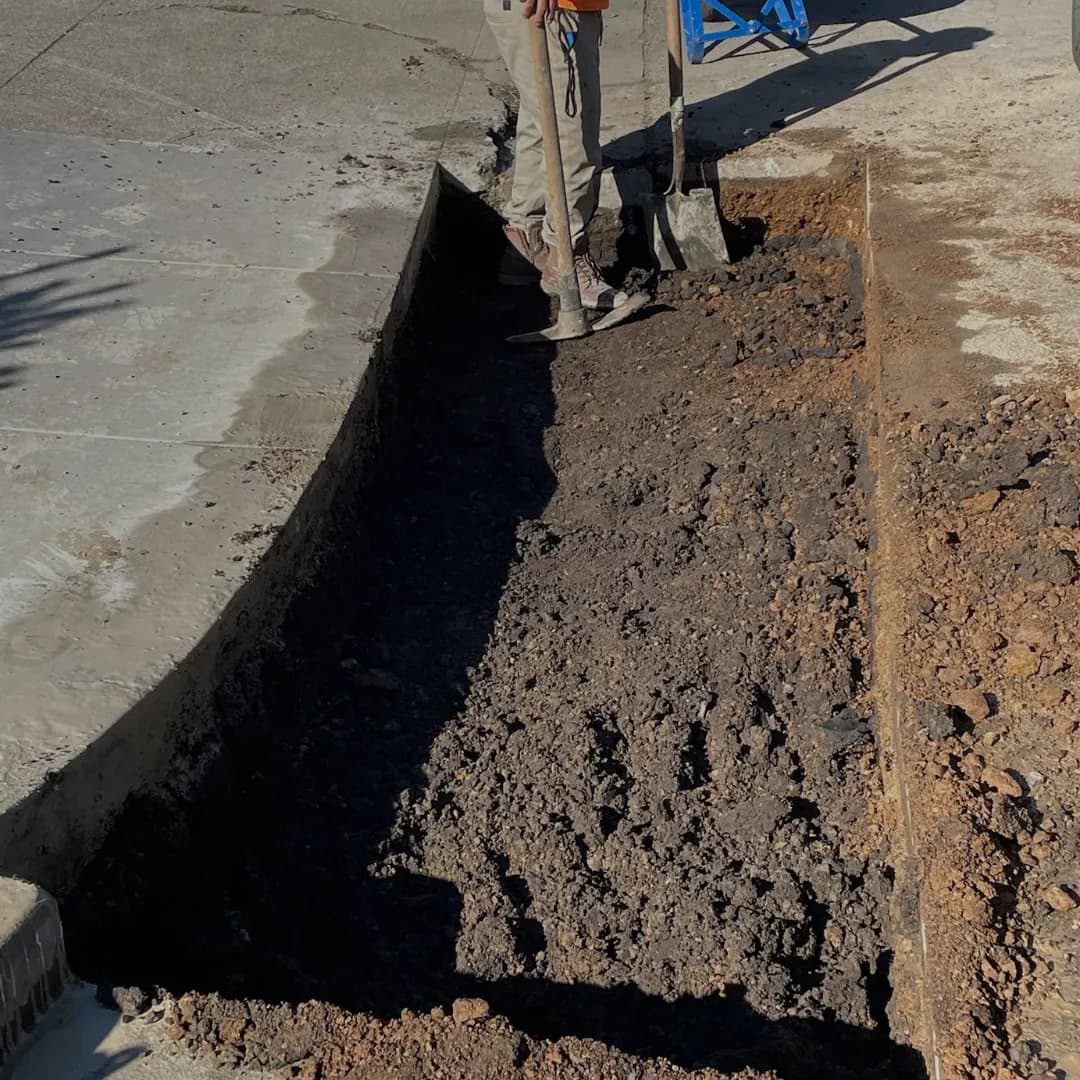
Concrete is a rigid slab. When the ground beneath it shifts — due to tree roots, soil expansion, earthquakes, or settling — the concrete cracks. And once concrete cracks, it's nearly impossible to repair invisibly. Patching is always visible and the patches themselves often crack again. In California, where seismic activity and expansive clay soils are common, concrete cracking isn't a question of "if" but "when."
Pavers, on the other hand, are individual units laid on a flexible base of compacted aggregate and sand. When the ground moves, pavers flex and shift with it — absorbing movement without cracking. If a single paver does get damaged (from a heavy impact, for example), you simply lift it out and replace it. The repair is invisible and the integrity of the entire surface remains intact.
- Concrete lifespan: 15-25 years before significant cracking and deterioration
- Paver lifespan: 50+ years with minimal maintenance — and pavers can be lifted, re-leveled, and relaid if needed
💡 Pro Tip from Our Team
Interlocking pavers are rated for compressive strength of 8,000+ PSI — nearly four times stronger than standard poured concrete (typically 2,500-3,000 PSI). The individual units are incredibly hard, and the flexible base system absorbs the stresses that destroy rigid concrete slabs.
Not sure where to start?
Our team has 20+ years of experience helping California homeowners. We'll walk you through your options — no pressure, no obligation.
Aesthetics: Design Options Compared
In the pavers vs concrete debate, aesthetics is where pavers absolutely dominate. Standard poured concrete offers one look: a flat, gray surface. Yes, you can stamp it, stain it, or add exposed aggregate — but these decorative treatments wear off over time, fade in UV light, and can look patchy within a few years.
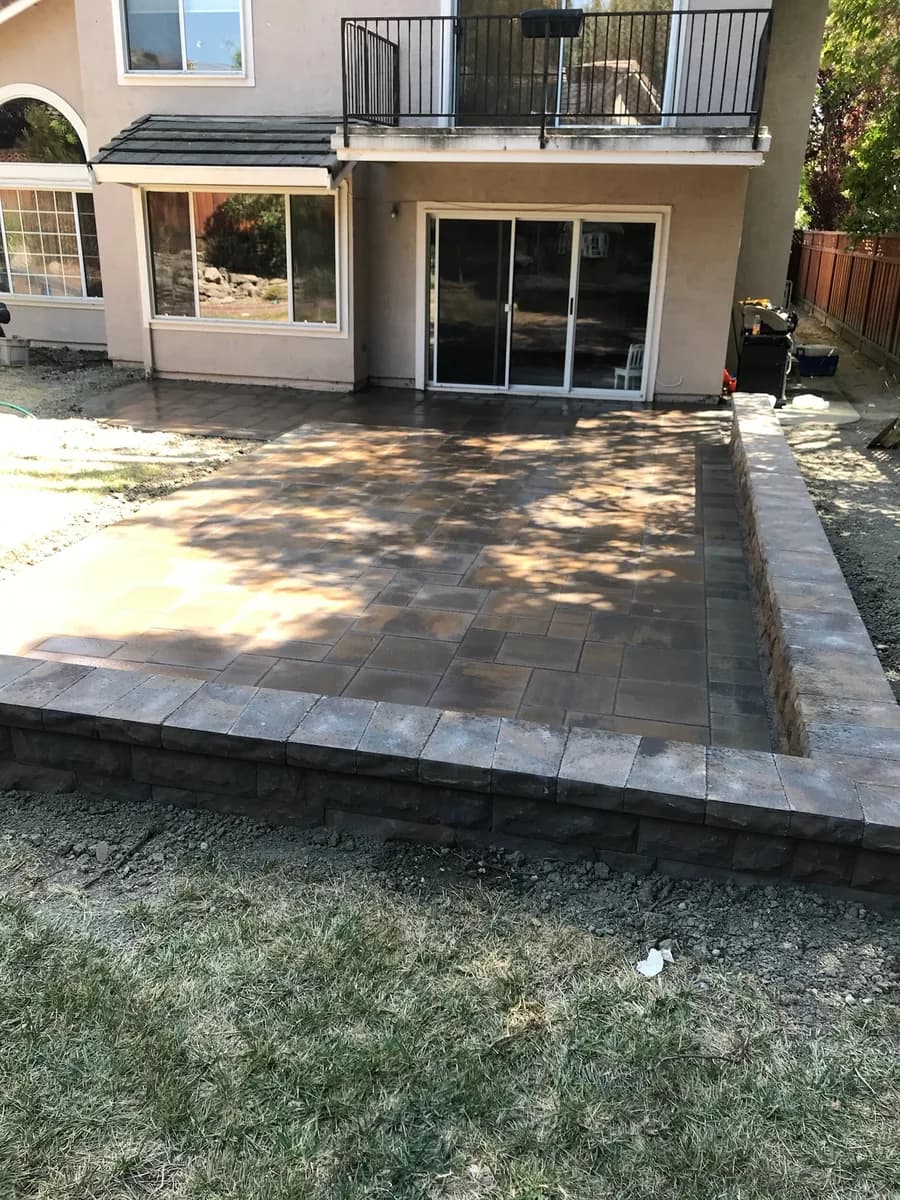
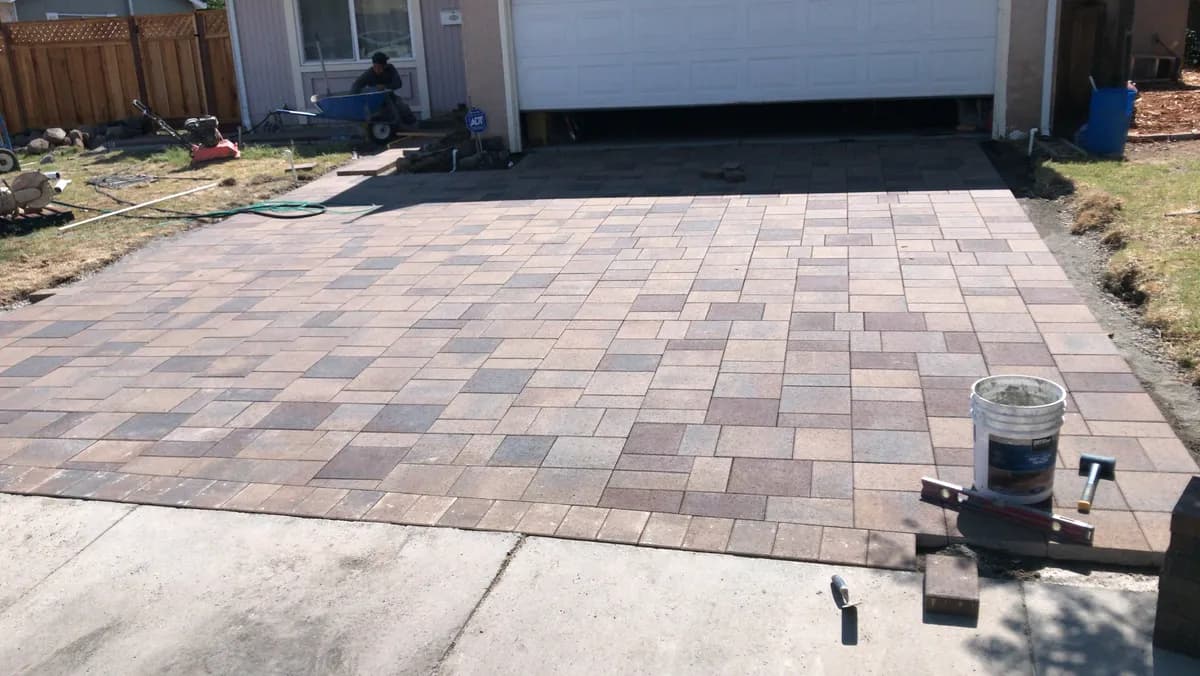
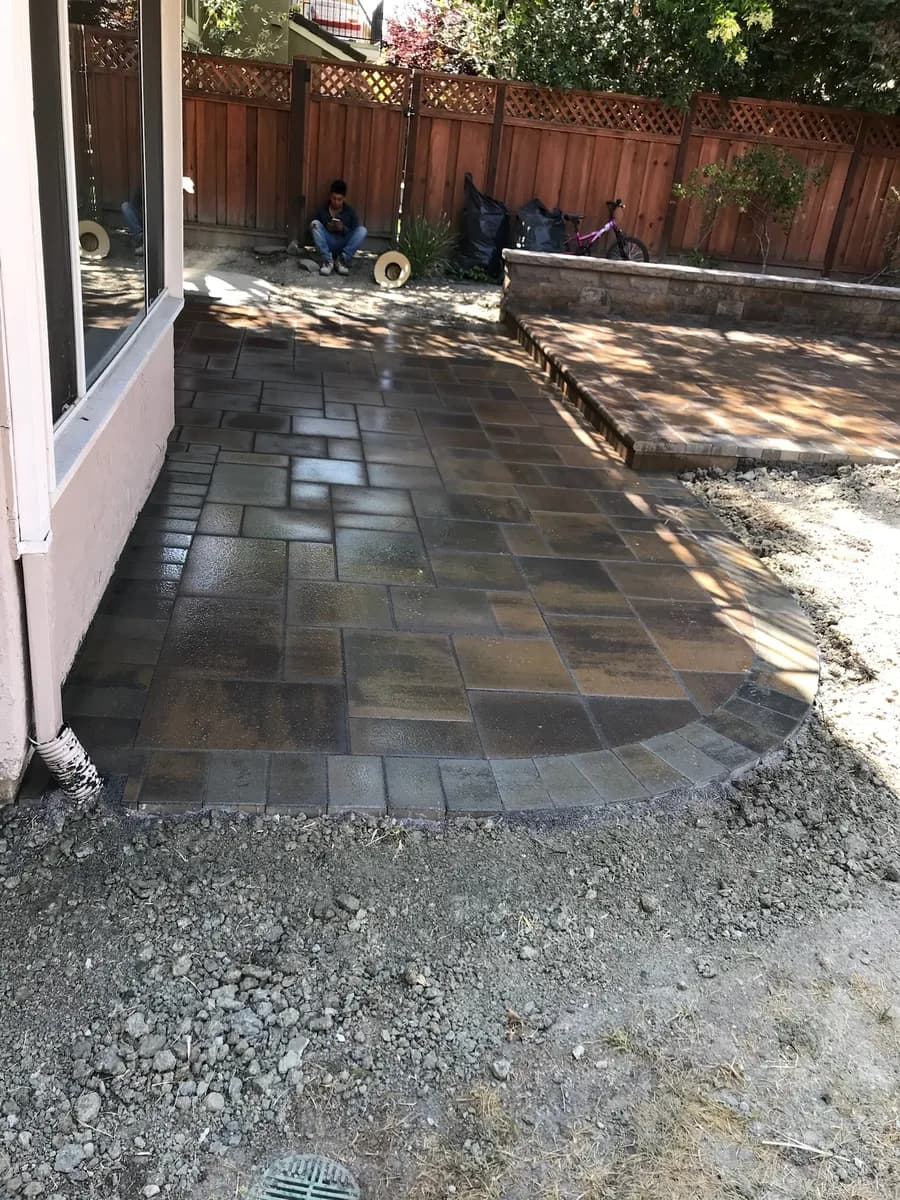
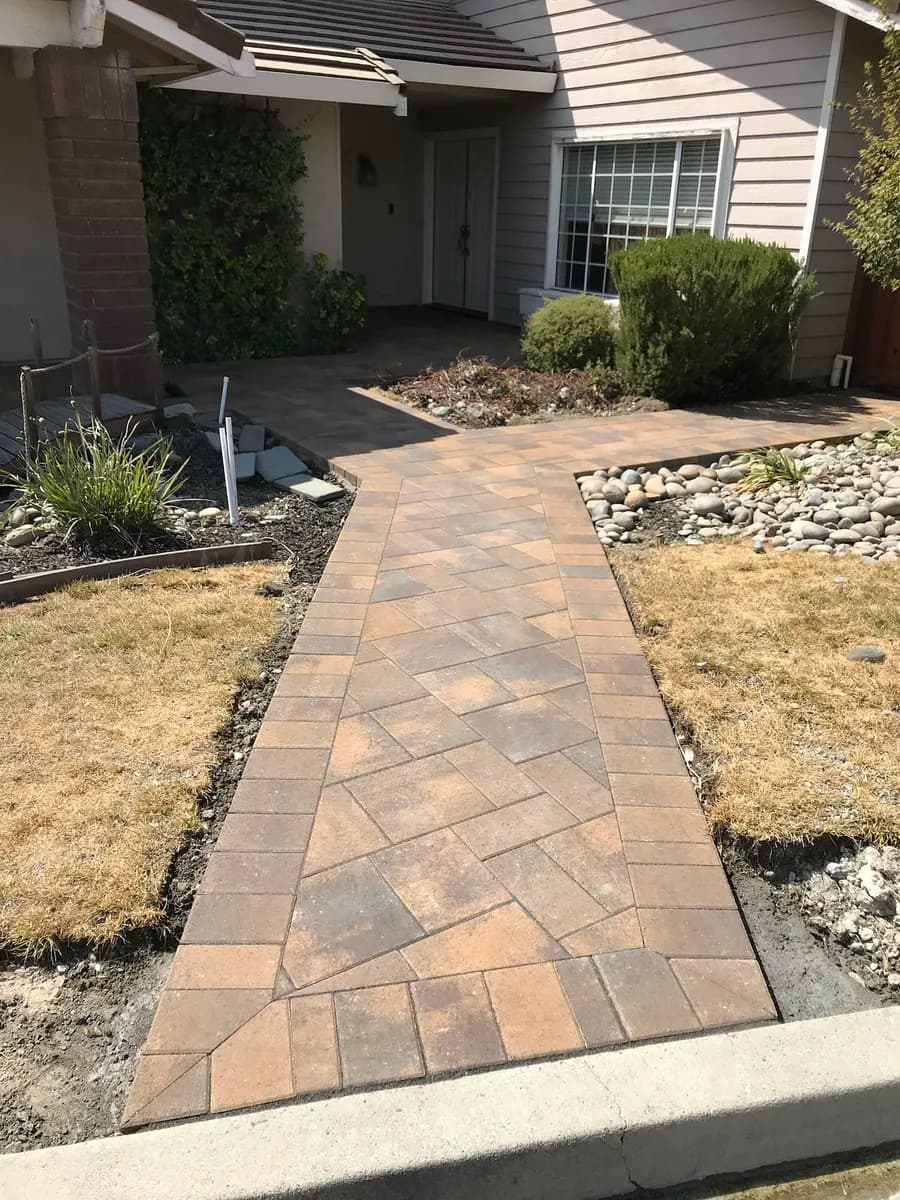
Pavers offer an almost unlimited range of design possibilities:
- Colors: Dozens of colors from warm earth tones to cool grays and charcoals — colors are integral to the paver, not surface-applied, so they don't fade or peel
- Patterns: Herringbone, running bond, basketweave, ashlar, fan, and more — each creates a distinct visual character
- Textures: Smooth, tumbled, textured, slate-look, wood-look — match any architectural style
- Shapes: Rectangular, square, irregular, interlocking — mix and match for custom designs
- Borders: Contrasting border pavers frame the installation for a polished, finished look
With pavers, your driveway, patio, or walkway becomes a design feature — not just a functional surface.
Long-Term Cost: The Real Comparison
Many homeowners initially consider concrete because it appears cheaper upfront. But the pavers vs concrete cost comparison looks very different over the lifetime of your project:
Installation Cost
Concrete has a lower initial cost per square foot. Pavers cost more upfront due to materials and labor-intensive installation. However, the gap is smaller than most people think.
Repair Costs
Concrete repairs are expensive and always visible. Paver repairs are simple and invisible — lift the damaged unit, replace it, done. This alone can save thousands over the life of the project.
Replacement Timeline
Concrete driveways typically need full replacement every 15-25 years. Pavers last 50+ years and can be re-leveled without replacement. One paver installation outlasts two concrete pours.
Home Value Impact
Real estate professionals consistently report that paver driveways and patios command higher home values than concrete. The premium look translates directly to premium pricing.
When you factor in longevity, repair costs, and home value impact, pavers are the clear winner in the long-term cost analysis. The slightly higher upfront investment pays dividends for decades.
Repair & Maintenance Compared
This is where the pavers vs concrete comparison really favors pavers. Maintenance and repair are dramatically easier:
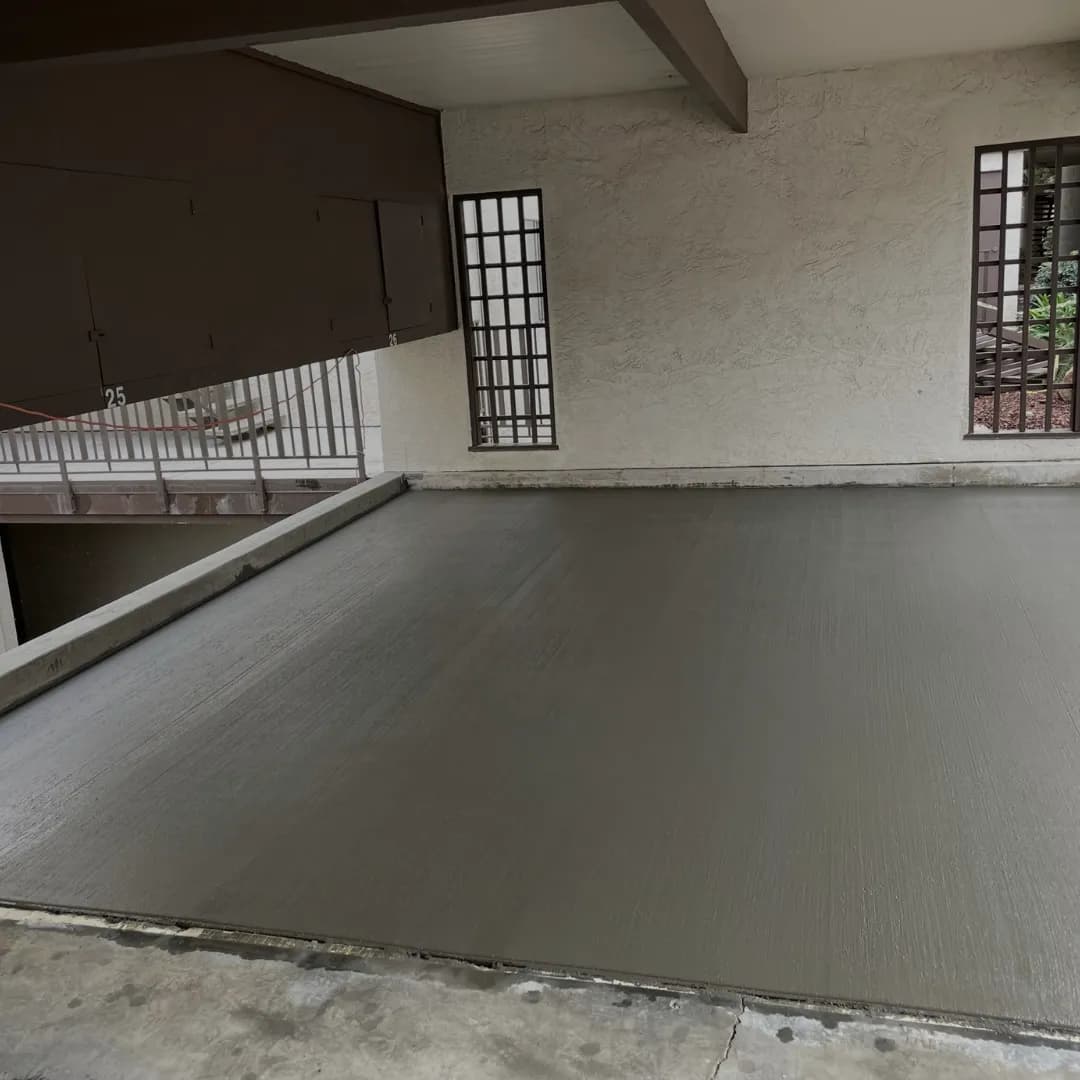
Concrete maintenance: Seal every 1-2 years to prevent staining and moisture damage. When cracks appear, options are limited to patching (visible), mud-jacking (temporary), or full replacement (expensive). Stains from oil, rust, or organic matter become permanent without sealing. Tree root damage often requires full slab removal.
Paver maintenance: Sweep periodically, pull occasional weeds (or seal to prevent them), and re-sand joints every few years. If you need to access underground utilities, pavers lift up and go back down — try that with concrete. Stains? Power wash. Damaged paver? Replace just that one. Settlement? Lift the affected area, add base material, and relay the pavers — good as new.
Resale Value: What Buyers Prefer
Real estate agents and home stagers overwhelmingly report that pavers vs concrete is no contest when it comes to buyer appeal. Paver driveways and patios are consistently listed among the top curb appeal features that attract buyers and justify premium pricing.
In competitive Bay Area markets like Walnut Creek, Danville, Pleasanton, and San Ramon, homes with paver hardscaping stand out from the crowd. Buyers perceive pavers as a premium, well-maintained property feature — which translates to faster sales and higher offers.
💡 Pro Tip from Our Team
If you're planning to sell within 3-5 years, a paver driveway or patio is one of the highest-ROI exterior improvements you can make. The visual impact is immediate, and it signals to buyers that the property has been well cared for throughout.
The Verdict: Why Pavers Win
After 20+ years of installing both pavers and concrete, here's our honest assessment of the pavers vs concrete debate:
- Choose concrete if: Budget is your only consideration and you need the absolute lowest upfront cost for a temporary or utility-focused surface
- Choose pavers if: You want beauty, durability, design flexibility, easy repairs, higher home value, and a surface that lasts a lifetime
For the vast majority of Bay Area homeowners, pavers are the smarter long-term investment. They look better, last longer, and add more value to your property.
Why Choose TP Pavers
When you choose pavers, choosing the right installer is just as important as choosing the right material. At TP Pavers, we bring over 20 years of experience, expert base preparation, and a lifetime guarantee that gives you peace of mind for decades.
- Lifetime guarantee on all paver installations
- 20+ years of Bay Area experience
- Proper base engineering — the foundation that prevents settling and shifting
- Licensed, insured, and family-owned
- Free estimates — we'll show you exactly what pavers can do for your property
We serve homeowners across Contra Costa County, Alameda County, Marin County, San Mateo County, Santa Clara County, and Solano County.
See What Pavers Can Do for Your Home
Ready to upgrade from concrete to pavers? Contact us for a free, no-obligation estimate. We'll show you the design options and help you choose the perfect solution for your property.